Have you ever wondered if old ladies should dye their hair? It’s a question that has sparked many debates and opinions. Some argue that embracing gray hair is a beautiful expression of aging gracefully, while others believe that coloring hair can boost self-confidence and help seniors feel youthful. In this article, we will explore both sides of the argument, providing insights and considerations for those pondering this hair dilemma. Whether you’re an old lady contemplating a new hair color or simply curious about the topic, read on to gain a fresh perspective on this age-old question.

Benefits of dyeing hair for old ladies
Enhances self-confidence
Dyeing hair can greatly enhance the self-confidence of older ladies. As we age, the presence of gray hair may sometimes make us feel self-conscious or less attractive. By dyeing their hair, older women can regain their confidence and feel more comfortable in their own skin. Knowing that their hair looks vibrant and youthful can have a positive impact on their overall self-esteem.
Creates a more youthful appearance
One of the most noticeable benefits of dyeing hair for older ladies is the ability to create a more youthful appearance. Gray hair is often associated with aging, and by coloring their hair, older women can defy stereotypes and present themselves as vibrant and energetic individuals. This newfound youthfulness can help them feel more connected to their inner vitality and radiate a positive aura.
Allows for self-expression
Hair dye provides a wonderful outlet for self-expression for women of all ages, including older ladies. By choosing different colors or experimenting with different styles, older women can showcase their personality and creativity through their hair. Whether they opt for bold and vibrant hues or subtle and natural-looking shades, dyeing their hair allows them to express themselves and add a touch of flair to their overall appearance.
Covers up gray hair
One of the primary reasons older ladies choose to dye their hair is to cover up gray hair. While many embrace their gray strands as a symbol of wisdom and experience, others may prefer to maintain a more youthful look. Dyeing their hair provides a convenient way to conceal the presence of gray hair and restore a more uniform color. This can contribute to a sense of continuity in their appearance and help them feel more comfortable in their own skin.
Considerations to keep in mind
Potential damage to hair
It is important to consider the potential damage that hair dye can cause to older ladies’ hair. The chemicals in hair dyes can sometimes lead to dryness or breakage, especially if the hair is already fragile due to aging. It is crucial to select high-quality dyes and follow proper hair care routines to minimize damage. Regular deep conditioning treatments and avoiding excessive heat styling can help keep the hair healthy and strong.
Allergic reactions to hair dye
Older ladies should also be aware of the possibility of allergic reactions to hair dye. As our skin becomes more sensitive with age, it is essential to conduct a patch test before using any new product. This simple precaution can prevent potential allergic reactions such as itching, redness, or swelling. Consulting with a dermatologist or hair professional is advisable, particularly for those with pre-existing skin conditions or a history of allergies.
Maintenance and upkeep
Dyeing hair requires regular maintenance and upkeep, which can be a consideration for older ladies. Depending on the type of dye used, touch-ups may be necessary every few weeks or months to maintain the desired color and prevent visible regrowth. It is essential to factor in the time and financial commitment required to maintain the desired look and ensure that it aligns with one’s lifestyle and preferences.
Societal pressure and judgment
While dyeing hair can offer numerous benefits, it is important to acknowledge the societal pressure and judgment that older ladies may face in relation to their appearance. Society often imposes certain beauty standards and expectations on women, regardless of their age. Some individuals may feel compelled to dye their hair to conform to these standards or avoid potential negative judgment. It is essential to approach hair dyeing as a personal choice rather than succumbing to societal pressures.

Different hair dye options
Temporary hair dyes
Temporary hair dyes are an excellent option for older ladies who want to experiment with different colors without committing to a long-lasting change. These dyes typically last for one to three washes and provide a temporary transformation. Temporary hair dyes are often gentle on the hair and can be ideal for those concerned about potential damage or commitment associated with permanent dyes.
Semi-permanent hair dyes
Semi-permanent hair dyes are another desirable choice for older ladies. These dyes typically penetrate the hair shaft, resulting in longer-lasting color, but eventually fade away after several weeks. While they offer more longevity than temporary dyes, semi-permanent dyes do not permanently alter the hair’s natural color, making them a versatile option for those who enjoy changing their hair shade from time to time.
Permanent hair dyes
Permanent hair dyes provide a long-lasting and dramatic transformation for older ladies seeking a complete color change. These dyes contain stronger chemicals that penetrate the hair shaft and permanently alter its color. It is crucial to choose a shade that suits one’s features and consult with a professional to achieve the desired results. Permanent dyes require regular touch-ups to cover regrowth and maintain the color’s vibrancy.
Natural hair dyes
For older ladies who prioritize using natural and organic products, natural hair dyes offer a viable option. These dyes are typically made from plant-based ingredients and do not contain harsh chemicals. While natural dyes may not provide the same level of vibrancy or longevity as synthetic dyes, they offer a gentler alternative that minimizes the risk of damage to the hair and scalp.
Tips for choosing the right hair dye
Consulting with a professional
Seeking guidance from a professional hair stylist or colorist is highly recommended when choosing the right hair dye for older ladies. They possess the expertise and knowledge to assess one’s hair condition, provide personalized recommendations, and assist in achieving the desired results. Professionals can also offer advice on dye selection, application techniques, and necessary maintenance routines.
Considering hair texture and type
When selecting a hair dye, it is crucial to consider one’s hair texture and type. Different dyes may react differently to various hair types, and certain textures may require specific types of dyes or application methods to achieve the best outcome. Taking into account the unique characteristics of one’s hair can help determine which dye will provide optimal results and minimize the risk of damage.
Matching hair color to skin tone
Finding a hair color that complements the skin tone is essential for a natural and harmonious look. Older ladies should consider their skin undertones (warm, cool, or neutral) to determine which hair colors will enhance their features and create a flattering appearance. Consulting with a professional colorist or utilizing online color analysis tools can be helpful in identifying the most suitable hues for each individual.
Choosing a low-maintenance option
For older ladies who prefer minimal upkeep, selecting a low-maintenance hair dye can be advantageous. Options such as subtle highlights, balayage, or ombre techniques can provide a stylish and versatile appearance that requires less maintenance compared to full hair color transformations. These techniques allow for a gradual blending of the natural hair color with the dyed sections, resulting in less noticeable regrowth.
Embracing natural gray hair
Celebrating aging gracefully
While dyeing hair offers numerous benefits, some older ladies choose to embrace their natural gray hair as a way of celebrating the aging process gracefully. Gray hair can be seen as a symbol of wisdom, experience, and a life well-lived. Embracing natural gray hair allows older women to challenge societal beauty standards and embrace their unique journey.
Rocking gray hair with confidence
Many older ladies who embrace their gray hair find a newfound confidence and embrace their natural beauty. Gray hair has become increasingly popular and is often associated with elegance and sophistication. By rocking their gray locks with confidence, older women can feel empowered and showcase their individuality to the world.
Taking care of gray hair
Taking proper care of gray hair is crucial to ensure its health and vitality. Gray hair can be more prone to dryness and frizziness, so using hydrating and nourishing hair products specifically formulated for mature hair is essential. Regular deep conditioning treatments, avoiding excessive heat styling, and protecting hair from environmental damage are key factors in maintaining the beauty and luster of gray hair.
Exploring styling options for gray hair
Contrary to popular belief, gray hair offers a variety of styling options for older ladies. From pixie cuts to long flowing locks, gray hair can be styled in numerous ways to suit individual preferences and personalities. Experimenting with different cuts, textures, and accessories can add dimension and versatility to gray hair, proving that embracing natural gray hair does not limit one’s styling choices.
Personal stories and experiences
Interviews with older women who dye their hair
In order to gain a deeper understanding of the benefits and considerations associated with dyeing hair for older ladies, interviews with women who actively dye their hair can provide valuable insights. These personal stories can shed light on their motivations, experiences, and the impact that dyeing their hair has had on their overall well-being and confidence.
Interviews with older women who embrace their gray hair
Conversely, interviews with older women who have made the choice to embrace their gray hair can offer a different perspective. By delving into their journeys and experiences, these interviews can provide inspiration and guidance for older ladies who may be considering embracing their natural gray hair.
Societal perceptions and expectations
Ageism and beauty standards
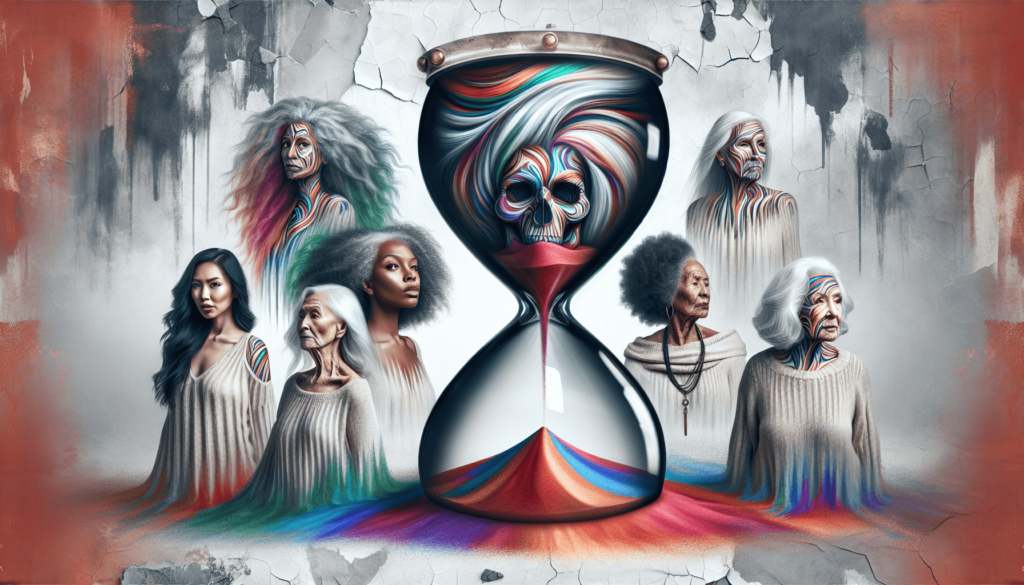
Societal perceptions and expectations of beauty often revolve around youth, neglecting to acknowledge the beauty that comes with age. Older ladies may face ageism and the pressure to conform to conventional beauty standards that prioritize youthfulness. Recognizing and challenging these societal norms is essential to promote a more inclusive and accepting view of beauty at every age.
Media portrayal of older women
The media plays a significant role in shaping societal perceptions of older women and often perpetuates stereotypes or narrow representations. Older ladies are rarely portrayed as vibrant, confident, and beautiful individuals with diverse appearances and choices. By demanding more realistic and positive depictions of older women, society can move towards celebrating age and recognizing the beauty present at every stage of life.
Breaking stereotypes and challenging norms
Older ladies have the power to break stereotypes and challenge societal norms by making their own choices regarding their hair. Whether they choose to dye their hair or embrace their gray strands, their individuality and confidence can become a catalyst for change. By embracing diversity in hair choices, society can cultivate a more inclusive and accepting environment for women of all ages.
The importance of personal choice
Respecting individual preferences
Respecting individual preferences is crucial when it comes to hair choices for older ladies. Every woman has her own unique journey, experiences, and reasons for deciding whether to dye her hair or embrace her natural gray. It is important to acknowledge and support these personal choices, emphasizing that there is no right or wrong decision when it comes to hair color.
Empowering older women to make their own decisions
Empowering older women to make their own decisions regarding their hair is essential. By providing them with information, support, and a non-judgmental environment, they can confidently choose the path that aligns with their personal preferences and goals. Older ladies should be encouraged to embrace their autonomy and assert their choices, regardless of societal expectations.
Supporting women in their hair choices
Supporting older ladies in their hair choices, whether they dye their hair or embrace their natural gray, is crucial for fostering a positive and inclusive environment. By offering encouragement, understanding, and celebrating their individuality, society can promote self-confidence and self-expression at any age.
Encouraging body positivity at any age
Encouraging body positivity and self-acceptance at any age is essential for creating an inclusive society. Older ladies should be celebrated for their unique beauty, wisdom, and experience, regardless of their hair color choices. By embracing diversity and challenging beauty standards, society can foster a culture that values and uplifts women at every stage of life.
Conclusion
No right or wrong choice
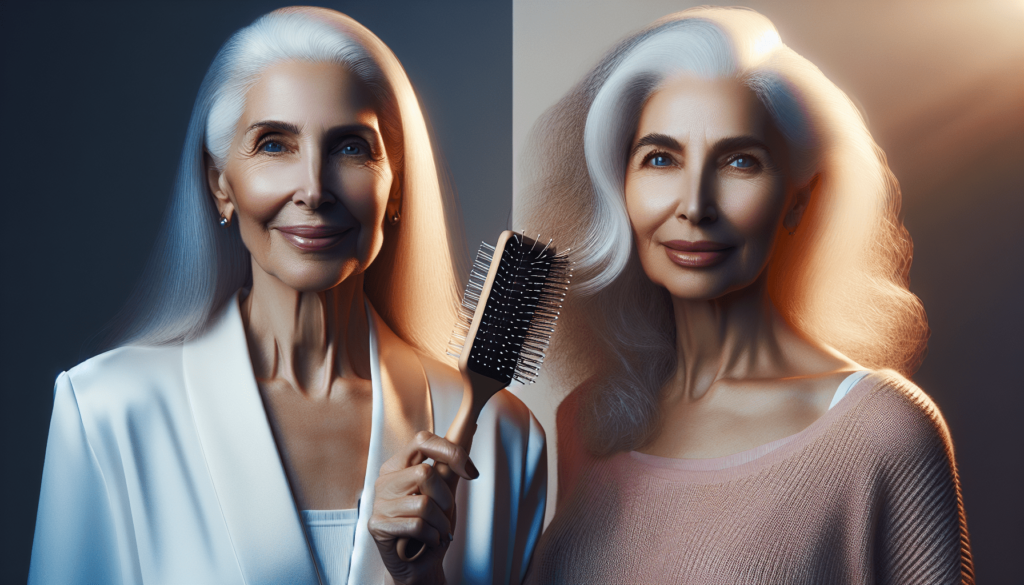
When it comes to dyeing hair or embracing natural gray, there is no right or wrong choice for older ladies. The decision ultimately rests with the individuals themselves, considering their personal preferences, lifestyle, and desired outcomes. Whether they opt for a vibrant new color or choose to embrace their natural gray strands, both choices can contribute to a sense of empowerment and self-confidence.
Embracing diversity and individuality
Embracing diversity and individuality in hair choices is crucial for promoting a more inclusive and accepting society. Each person’s journey is unique and should be celebrated, regardless of age or hair color. By embracing the beauty in diversity, we can foster a culture that values and respects the choices and experiences of older women.
Encouraging a non-judgmental approach
Adopting a non-judgmental approach is necessary when discussing hair choices for older ladies. It is important to create a safe and supportive space where individuals can freely express their preferences without fear of criticism or societal pressure. By practicing empathy, understanding, and acceptance, we can encourage women of all ages to make decisions that align with their true selves.
