Hey there! Have you ever wondered when it’s the right time to stop coloring your hair? Well, in this article, we’re going to tackle that very question. Whether you’re a veteran of hair dye or just considering your first touch-up, finding the balance between staying true to your personal style and embracing your natural beauty as you age can be a tough decision. So, let’s dive into this colorful topic and discover when it might be time to bid farewell to the dye and embrace your silver strands!
Factors to consider when deciding to stop coloring your hair
Overall health and condition of hair
One of the key factors to consider when deciding whether or not to continue coloring your hair is the overall health and condition of your hair. Coloring your hair frequently can lead to damage, dryness, and breakage, especially if harsh chemical ingredients are used. Assessing the strength and vitality of your hair is essential in determining if it can withstand the coloring process.
Personal preference
Another factor to consider is your personal preference. Some people enjoy the freedom of embracing their natural hair color as they age, while others prefer to continue coloring their hair in order to maintain a more youthful appearance. It’s important to consider what you feel most comfortable with and what aligns with your personal sense of style and self-expression.
Lifestyle and maintenance
Your lifestyle and the amount of time and effort you are willing to dedicate to maintaining colored hair is also an important consideration. Coloring your hair requires regular touch-ups and maintenance to keep the color looking fresh and vibrant. If you have a busy schedule or prefer a low-maintenance hair routine, transitioning to your natural hair color may be a more practical option.
Acceptance of aging process
Lastly, a crucial factor to consider is your acceptance of the aging process. Embracing your natural hair color can be a powerful statement of self-acceptance and embracing the changes that come with getting older. It’s important to reflect on your feelings towards aging and whether or not embracing your natural hair color aligns with your mindset and values.
Understanding the impact of hair dye on hair health
Chemical ingredients in hair dye
Hair dye contains a variety of chemical ingredients, which can have varying effects on the health of your hair. Ammonia and hydrogen peroxide, common ingredients in permanent hair dyes, can strip the natural oils from your hair, leaving it dry and brittle. It is important to be aware of the ingredients in the hair dye you use and their potential impact on the health of your hair.
Potential damage to hair cuticle
Repeatedly coloring your hair can cause damage to the outermost layer of your hair, known as the cuticle. This can lead to breakage, loss of shine, and a rough texture. It is essential to consider the potential damage to your hair cuticle when deciding whether or not to continue coloring your hair.
Effects of frequent coloring on hair texture
Frequent coloring can also impact the texture of your hair. Over time, the chemicals in hair dye can alter the natural structure of your hair, resulting in a loss of elasticity and a coarser texture. If maintaining a soft and smooth hair texture is a priority for you, it may be worth considering transitioning to your natural hair color.
Increased hair breakage and thinning
Another potential consequence of frequent hair coloring is increased hair breakage and thinning. The chemical ingredients in hair dye can weaken the hair shaft, making it more prone to breakage. If you notice that your hair is becoming thinner or experiencing excessive breakage, it may be a sign that it’s time to stop coloring your hair and give it a chance to recover.
Hair dye options for natural hair color enhancement
Temporary hair dye options
If you are considering enhancing your natural hair color without committing to a permanent change, temporary hair dye options are a great choice. Temporary dyes typically only last for a few washes and come in a range of colors that can subtly enhance your natural shade or add a fun temporary change.
Semi-permanent hair dye options
Semi-permanent hair dye offers a more long-lasting option while still allowing for eventual fade-out. These dyes typically last for six to eight weeks before gradually washing out. They can be used to enhance your natural hair color or experiment with a slightly different shade.
Demipermanent hair dye options
Demipermanent hair dye falls between temporary and permanent options. It usually lasts for around 12 to 24 washes before fading out. Demipermanent dye can give you a longer-lasting change while still allowing for flexibility and a gradual transition to your natural hair color.
Highlighting and lowlighting techniques
Another option for enhancing your natural hair color is through highlighting and lowlighting techniques. These techniques involve adding lighter or darker strands of color throughout your hair to create depth and dimension. This can be a subtle way to enhance your natural hair color without fully committing to all-over hair dye.
Tips for transitioning to natural hair color
Gradual reduction of hair dye application
If you decide to transition to your natural hair color, a gradual reduction in hair dye application is often the easiest and least noticeable method. Instead of stopping cold turkey, gradually stretch out the time between touch-ups, allowing your natural hair color to grow in and blend with the dyed sections.
Consideration of different haircuts or styles
Changing your haircut or style can also help ease the transition to your natural hair color. Opting for shorter or layered cuts can help blend the growing roots with the dyed hair, making the transition less obvious. Consult with a hairstylist to determine the best haircut or style that suits your transitioning needs.
Providing extra care to hair during transition
During the transition phase, it is important to provide extra care and attention to your hair. Use deep conditioning treatments and hair masks to keep your hair healthy and hydrated. Avoid excessive heat styling and invest in quality hair care products specifically designed for damaged or transitioning hair.
Seeking professional advice
If you are unsure of the best way to transition to your natural hair color or need guidance on suitable hair care products, seeking professional advice is a wise choice. An experienced hairstylist can assess your hair condition and provide tailored recommendations and guidance throughout the process.
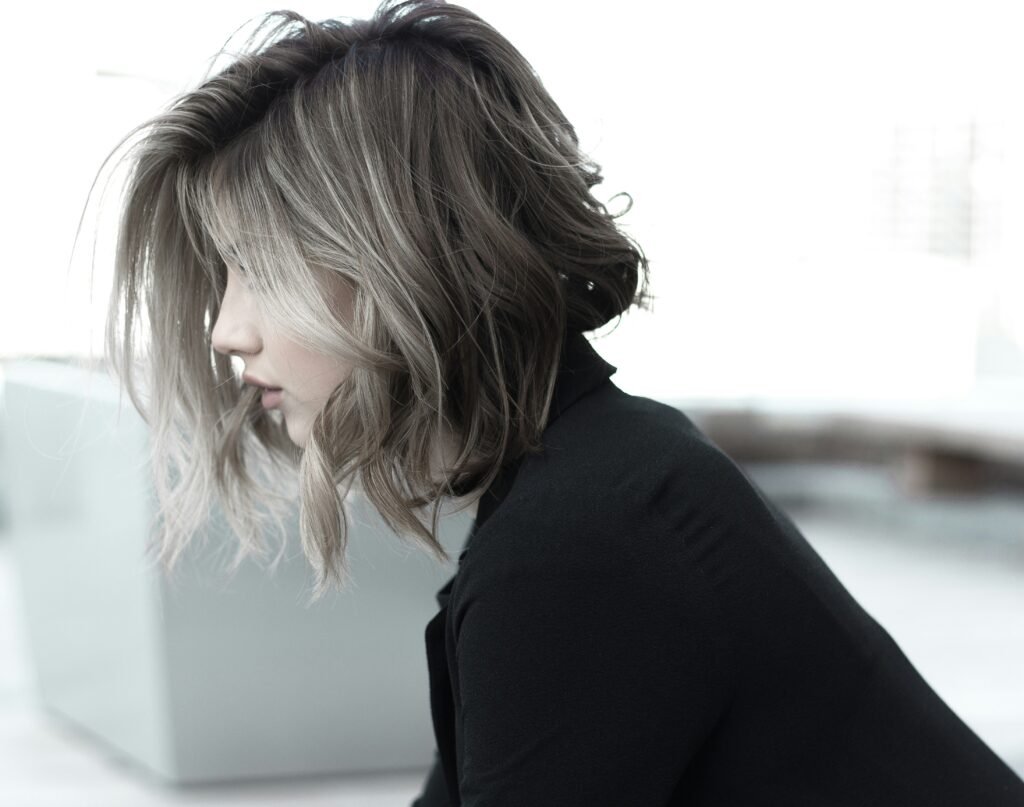
Celebrating and embracing gray or silver hair
Benefits of embracing natural hair color
Embracing your natural gray or silver hair can bring numerous benefits. It allows you to fully embrace and celebrate your unique aging process, which can be a powerful statement of self-acceptance and confidence. It also eliminates the need for frequent touch-ups and maintenance, making your hair care routine simpler.
Styling and care tips for gray or silver hair
If you choose to embrace your gray or silver hair, there are various styling and care tips to enhance its beauty. Using purple shampoo can help combat any yellowing or brassiness, while regular trims can keep your hair looking neat and polished. Embracing a natural texture or opting for sleek styles can also accentuate the beauty of gray or silver hair.
Influence of celebrities on embracing gray hair
Many celebrities have proudly embraced their gray or silver hair, challenging societal norms and inspiring others to do the same. From Jamie Lee Curtis to Meryl Streep, these women have shown that gray hair can be chic, elegant, and empowering. Their influence has helped reshape the perception of aging and hair color.
Positive impact on self-confidence
Embracing your gray or silver hair can have a positive impact on your self-confidence. By rejecting societal pressures to conceal signs of aging, you are embracing and celebrating your natural beauty and the wisdom that comes with getting older. This newfound confidence can extend beyond your hair, positively influencing all aspects of your life.
Embracing alternative hair colors and styles
Exploring alternative hair colors
If you are not ready to embrace your natural hair color, exploring alternative hair colors can be a fun and creative way to express your personal style. From vibrant reds to pastel pinks, the possibilities are endless. Temporary or semipermanent hair dyes can allow you to experiment with different shades without committing to a long-term change.
Trying out trendy haircuts and styles
In addition to alternative hair colors, trying out trendy haircuts and styles can also be a great way to change up your look. From pixie cuts to long layers, there is a wide range of options to suit different face shapes and personal preferences. Consulting with a hairstylist can help you find the perfect haircut or style that complements your features.
Experimenting with hair accessories
Hair accessories can add a touch of flair and personality to any hairstyle. From headbands to hair clips and scarves, there are countless accessory options to enhance your overall look. Experimenting with different accessories can provide a fresh and unique twist to your hair, allowing you to express your individuality and personal style.
Accepting and expressing personal style
Ultimately, embracing alternative hair colors and styles is about accepting and expressing your personal style and preferences. Whether you prefer a vibrant blue or a subtle balayage, the key is to choose a look that makes you feel confident and authentic. Don’t be afraid to step outside of your comfort zone and experiment with different colors and styles.
Maintaining healthy hair as you age
Adopting a balanced and nutritious diet
Maintaining healthy hair starts from within, and adopting a balanced and nutritious diet is essential. Eating a variety of fruits, vegetables, lean proteins, and whole grains provides essential nutrients that support hair health. Foods rich in vitamins A, C, and E, as well as biotin and omega-3 fatty acids, can specifically promote healthy hair growth and strength.
Implementing a proper hair care routine
Establishing a proper hair care routine is crucial for maintaining healthy hair as you age. This includes using a gentle shampoo and conditioner suitable for your hair type, avoiding excessive washing and heat styling, and regularly trimming split ends. Additionally, incorporating regular deep conditioning treatments and scalp massages can further nourish your hair.
Protecting hair from environmental damage
As you age, your hair becomes more susceptible to environmental damage. Protecting your hair from the sun’s harmful UV rays, harsh weather conditions, and pollution is essential for maintaining its health and vitality. Wearing a hat or using products with UV protection can shield your hair from sun damage, while covering your hair in extreme weather can prevent moisture loss.
Avoiding excessive heat styling
Frequent heat styling can damage your hair, leading to dryness, breakage, and loss of shine. As you age, it becomes even more important to minimize the use of heat styling tools such as flat irons, curling wands, and blow dryers. When necessary, use heat protectant products and opt for lower heat settings to reduce the risk of damage.
Knowing when to consult a hairstylist
Seeking professional advice on hair condition
If you are unsure about the current condition of your hair or have concerns about its health, it is advisable to seek professional advice from a hairstylist. An experienced stylist can assess the condition of your hair, identify any potential issues, and provide recommendations on the best course of action to improve its health.
Getting recommendations on suitable hair care products
With a wide range of hair care products available, selecting the right ones for your specific needs can be overwhelming. Consulting with a hairstylist can help you narrow down the options and receive personalized recommendations on suitable hair care products for your hair type, texture, and condition.
Assistance with transitioning hair color
If you are considering transitioning to your natural hair color or switching to an alternative hair color, a hairstylist can provide valuable assistance. They can guide you through the transition process, suggest techniques that minimize visible roots, and recommend gradual color changes that blend seamlessly with your natural hair.
Expert guidance on embracing natural hair
If you are ready to embrace your natural hair color or texture, a hairstylist can provide expert guidance and support. They can help you select flattering cuts and styles that enhance your natural features, offer tips on maintaining and styling your natural hair, and provide ongoing advice on how to care for and embrace your unique hair.
Considering the financial aspects of hair coloring
Cost of regular hair dye application
One important factor to consider when deciding whether or not to continue coloring your hair is the financial aspect. Regularly applying hair dye can be expensive, especially if you opt for professional salon services. Calculating the cost of frequent touch-ups and maintenance is important in determining whether or not coloring your hair is a feasible long-term investment.
Frequency of touch-ups and maintenance
The frequency of touch-ups and maintenance required for colored hair should also be taken into consideration when assessing the financial aspect. Depending on the rate of hair growth and the desired look, touch-ups may be needed every few weeks or months. Understanding the time and financial commitment involved in maintaining colored hair is essential in making an informed decision.
Budgeting for professional hair care services
In addition to the cost of hair dye, it’s important to budget for professional hair care services if you choose to continue coloring your hair. Visiting a reputable salon for touch-ups, color corrections, or specific treatments can further add to the overall expenses. Evaluating the financial implications of these services is necessary to ensure they align with your budget.
Exploring DIY alternatives
For those on a tighter budget, exploring DIY alternatives can be a cost-effective option. There are numerous at-home hair dye kits available, offering a more affordable alternative to salon services. However, it’s important to consider the potential risks and limitations of DIY hair dyeing, as mistakes can be more difficult and costly to correct.
Changing societal perspectives on hair color and aging
Challenging societal beauty standards
Societal beauty standards have traditionally favored youthful appearances, often promoting the idea that gray hair or signs of aging are undesirable. However, there has been a positive shift in recent years, with more emphasis on embracing natural beauty and challenging unrealistic standards. By choosing to stop coloring your hair, you are contributing to this movement and challenging societal norms.
Promoting diversity in hair color choices
Embracing natural hair color, whether it’s gray, silver, or any other shade, promotes diversity and celebrates the wide range of unique beauty in the world. By choosing not to conform to conventional hair color expectations, you are highlighting the importance of embracing and accepting individuality in all its forms.
Supporting body positivity and self-acceptance
Embracing your natural hair color is a form of self-acceptance and body positivity. It is about embracing your authentic self, celebrating your journey, and rejecting societal pressures to conform to unrealistic beauty standards. By making this choice, you are promoting self-love and encouraging others to appreciate and love themselves as they are.
Embracing individuality and personal expression
Your hair is an extension of your personal identity and style. By embracing your natural hair color or exploring alternative colors and styles, you are embracing your individuality and expressing yourself authentically. This act of self-expression can be empowering and inspiring to others, encouraging them to embrace their own unique features and preferences.
In conclusion, deciding whether or not to stop coloring your hair is a personal choice that should take into consideration various factors. These factors include the overall health and condition of your hair, personal preferences, lifestyle and maintenance, and acceptance of the aging process. Understanding the impact of hair dye on hair health, exploring hair dye options for natural color enhancement, and tips for transitioning to natural hair color are all important steps in making an informed decision. Additionally, considering the financial aspects, knowing when to consult a hairstylist, and understanding the changing societal perspectives on hair color and aging can also contribute to your decision-making process. Ultimately, the choice should be based on what makes you feel confident, comfortable, and true to yourself. Whether you choose to embrace your natural hair color, experiment with alternative colors, or continue coloring your hair, what matters most is that you feel beautiful and authentic in your own skin.
